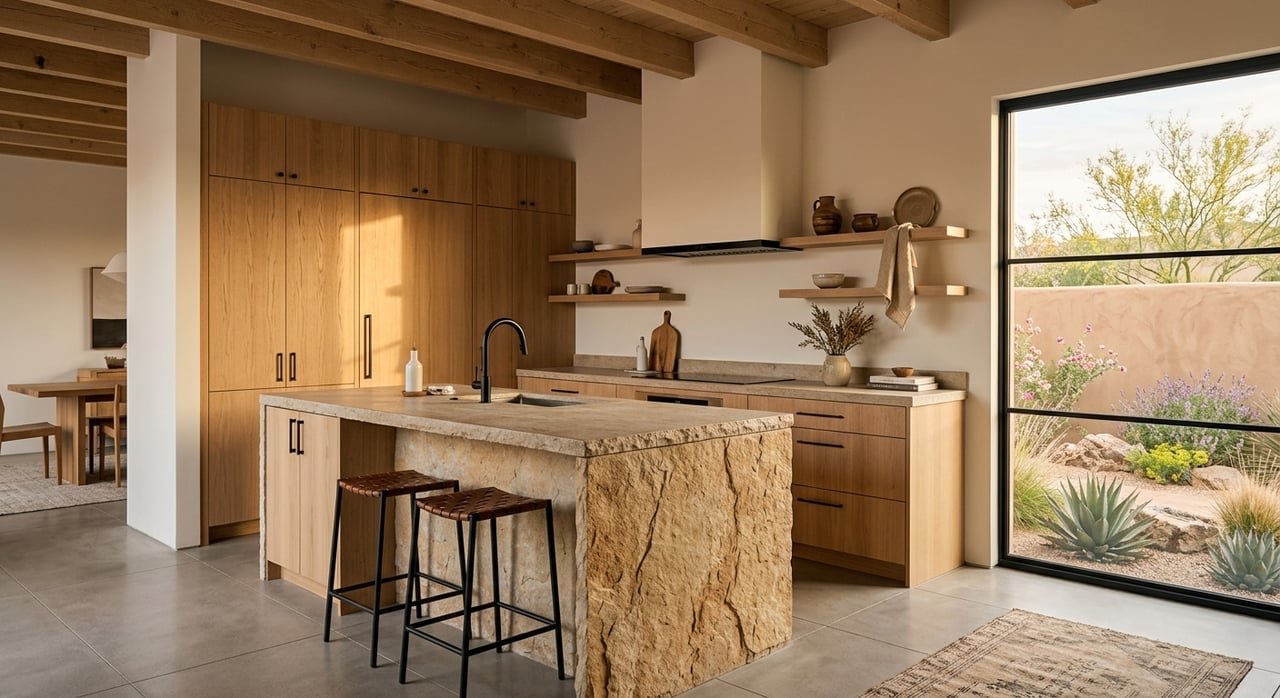
Buying In Phoenix While Living In Tucson: Step-By-Step Guide
June 4, 2026
June 4, 2026
Moving from Tucson to Phoenix can feel simple on a map, but buying a home there while you still live here is a different kind of challenge. You are balancing drive time, deadlines, financing, and a much larger market, all while trying to make smart decisions without seeing every property in person. The good news is that with the right plan, you can narrow the noise, travel with purpose, and protect yourself through each step. Let’s dive in.
Phoenix is a huge market, with an estimated population of 1,665,481 as of July 1, 2025. Redfin reported a median sale price of $460,637 in April 2026, and a February 2026 snapshot showed homes receiving about two offers on average and selling in around 62 days. For you as a Tucson buyer, that means preparation matters more than random weekend tours.
Before you drive north, get clear on your budget, must-haves, and deal-breakers. A focused plan helps you avoid wasting time on homes or areas that do not fit your goals. It also makes each Phoenix trip more productive.
One of your first steps should be working with a buyer’s broker. The Arizona Department of Real Estate notes that the seller’s broker represents the seller, while you may wish to retain a buyer’s broker to represent your interests.
That matters even more when you are buying from another city. You need someone who can help organize tours, review timelines, coordinate moving pieces, and keep communication clear while you travel back and forth between Tucson and Phoenix.
It is easy to assume online listings tell the full story, but Arizona guidance says the MLS printout should be treated like an advertisement. It may be inaccurate, incomplete, or approximate.
That means you should use online search to build a shortlist, not to make your final decision. Photos, descriptions, and details can help you decide what deserves a closer look, but they should not replace in-person review, disclosures, and inspections.
When you are managing a Tucson-to-Phoenix search, your time is valuable. Before making the trip, decide which neighborhoods and property types are truly worth seeing in person.
Arizona buyer guidance recommends driving around the neighborhood, talking to neighbors, and investigating the surroundings. If you are considering vacant land or homes in fringe areas, it is also smart to check zoning, planned freeway routes, and CC&Rs. Taking this step early can save you from spending a full day touring homes in areas that do not work for your lifestyle or long-term plans.
A good Phoenix tour day should feel intentional, not rushed. Try to group homes by area and property type so you can compare options more clearly and reduce unnecessary drive time.
It also helps to rank homes before the trip. Create a short list of top priorities, a backup list, and a few questions for each property. That way, you are not just walking through houses. You are evaluating whether each one truly fits your needs.
If you are considering a new-build home in Phoenix, slow down before signing anything. Arizona requires a Public Report for many new construction purchases, and buyers should read it before signing.
The Arizona Department of Real Estate also says the Department does not verify all information in the report, so you should verify facts yourself before signing documents. If earnest money is not being placed into escrow on a developer deal, the purchaser must initial a separate paragraph in the contract. That is an important detail to understand before moving forward.
If possible, complete your loan application before you make an offer. Arizona buyer guidance says the application should be completed before offering, or immediately after, and it also makes clear that you are responsible for getting funds into escrow by the close of escrow date.
This is especially important when you are buying remotely or coordinating travel. A financing delay can create unnecessary stress, and it may put your timeline at risk if you are trying to line up your Phoenix purchase with a Tucson sale or lease end.
Buying from Tucson often means writing offers without being able to revisit the property on a whim. That is why your offer terms matter so much.
Do not waive contingencies casually. Arizona guidance notes that purchase contracts commonly include loan, inspection, and appraisal contingencies, and waiving them can put your earnest money at risk or create liability if you later cancel the contract.
If you have special concerns, speak up early. The Arizona Department of Real Estate advises buyers to tell the agents in the transaction about any concerns they have, even if those concerns are not specifically listed in the advisory.
Once you are under contract, paperwork becomes just as important as the property itself. Review the title report or title commitment carefully, because it can list Schedule B exceptions such as easements, encumbrances, and liens.
If the home is in a master-planned community, review HOA documents and ask about sale-related fees. Arizona guidance notes that some HOAs charge fees when a property is sold, and disclosure rules can vary depending on the community.
Wire fraud is one of the biggest risks in a remote or partially remote transaction. Arizona buyer guidance warns buyers to verify wiring instructions by phone or in person using a trusted, verified number.
In other words, do not rely on a last-minute email alone. A quick verification step can help protect your funds and prevent a major problem during escrow.
When you cannot casually stop by the property every few days, inspections become even more important. The Arizona Department of Real Estate says professional property inspections are absolutely essential and also notes that agents are generally not qualified to discover defects or evaluate physical condition.
A general home inspection is a starting point, but some Phoenix homes may need additional specialists. That can be especially important depending on the age, features, and location of the property.
In the Phoenix area, roof and cooling systems deserve extra attention. Arizona guidance recommends a roof inspection when the roof is 10 years old or older, and it says cooling and heating systems should be checked for adequacy.
That makes sense in a market where heat and sun exposure can put extra wear on exterior materials and mechanical systems. If these items are near the end of their useful life, you want to know before closing.
Many Phoenix-area homes include features and conditions that need specialized review. Arizona guidance notes that pool and spa inspections may require a specialist.
The same advisory also flags pests such as termites, scorpions, roof rats, and bark beetles in parts of Arizona. If a property has signs of pest activity or conditions that concern you, ask about the right inspection during your due diligence period.
Do not stop at the physical inspection. Arizona buyer guidance also points buyers to review flood insurance and flood-plain status, insurance claims history, county assessor records, and any community facilities district obligations.
CFD balances can appear on the detailed property tax statement. If you are comparing homes with similar prices, added tax-related obligations can affect your long-term monthly cost and should be reviewed early.
If the home was built before 1978, lead-based paint disclosure rules apply. This is one more example of why age and property history matter during your review period.
A home can look great in photos and still come with important disclosures or follow-up items. The more informed you are, the more confident your decision will be.
For many buyers, the hardest part is not finding the home. It is coordinating the move. If you are also selling in Tucson or trying to match a Phoenix closing with a lease end, your dates need to be lined up carefully.
Arizona buyer guidance makes clear that your representative should help manage contract review, lender timing, title review, and wire-fraud precautions. When you are juggling two markets, organized communication can help you avoid missed deadlines and last-minute surprises.
If you want a simple way to organize your next move, start here:
Buying in Phoenix while living in Tucson is absolutely doable, but it works best when every step has a purpose. A clear strategy helps you spend less time guessing, less time driving in circles, and more time focusing on the homes that truly fit your goals.
If you want a people-first team to help you plan the move, narrow your search, and keep the process organized from Tucson to Phoenix, connect with I am Home Arizona Group.
Stay up to date on the latest real estate trends.
Partner with a trusted real estate team that blends market knowledge, integrity, and a client-focused mindset—collaborating closely to navigate every stage of the journey with clear communication, careful attention to detail, and a dedication to achieving outstanding results.