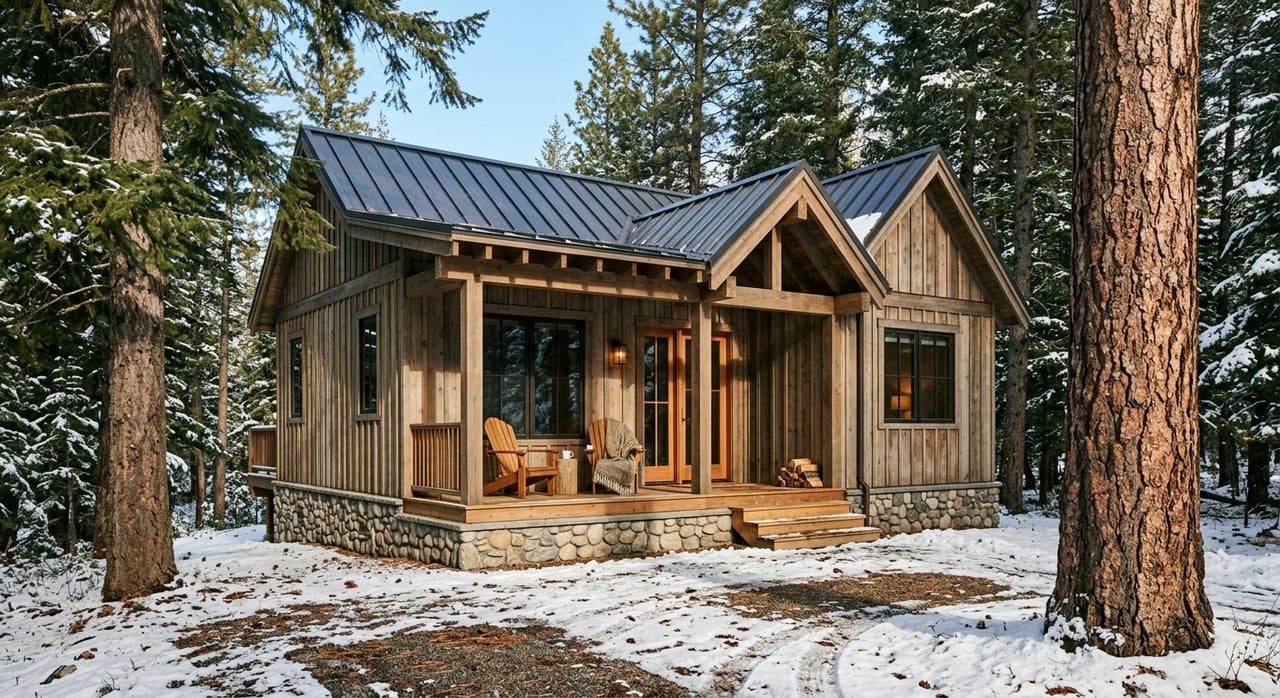
Buying A Cabin Or Second Home In Pinetop-Lakeside
July 2, 2026
July 2, 2026
Dreaming about a cooler Arizona escape? Buying a cabin or second home in Pinetop-Lakeside can sound simple at first: find a charming mountain property, close, and start enjoying weekends in the White Mountains. In reality, the best purchase comes from understanding not just the home, but also local rental rules, seasonal upkeep, winter access, and wildfire readiness. If you want a retreat that fits your lifestyle and avoids surprises, this guide will help you think through the details that matter most. Let’s dive in.
Pinetop-Lakeside offers a very different feel from lower-elevation Arizona markets. The town sits at about 6,800 feet in Navajo County and describes itself as a four-season destination with more than 50 alpine lakes, 800 miles of rivers and springs, and more than 200 miles of developed multi-use trails.
That setting is a big reason many buyers from Tucson and Phoenix look here for a second home. The area is also surrounded by Apache-Sitgreaves National Forest, and local tourism is a major part of the economy, which gives the town a true mountain-retreat identity rather than a typical suburban second-home vibe.
If your goal is a place for summer weekends, winter scenery, or part-time use throughout the year, Pinetop-Lakeside stands out for its access to outdoor recreation. The town notes nearby skiing, snowboarding, hiking, and fishing, which helps explain the steady appeal for seasonal buyers.
Pinetop-Lakeside has a wide mix of property types. Based on the town’s short-term rental definition, the market includes single-family homes, 1-4 unit houses, condominiums, townhouses, manufactured homes, cooperatives, timeshares, individual rooms, and guest houses or casitas.
For many second-home buyers, the most common search starts with cabin-style single-family homes and townhomes. Current listing snapshots cited in the research show 86 single-family homes and 8 townhomes on one major portal, while other portals also surface a large number of cabin and log-cabin style properties.
That variety can be helpful if your priorities are still taking shape. You may want a smaller cabin with lower upkeep, a townhome with a more compact footprint, or a larger mountain home that works for extended stays and hosting guests.
Pricing in Pinetop-Lakeside covers a broad range, and it helps to think in practical bands rather than one single number. Current examples in the research include a $275,000 single-family home, a $299,900 townhome, cabin-style listings from about $285,000 to $795,000, and some larger homes above $1 million.
Market snapshots from major portals are close, though not identical. Zillow reports an average home value of $545,485 and a median list price of $596,000, while Realtor.com reports a median listing price of $598,000 and labels the market a buyer’s market in that May 2026 snapshot.
For planning purposes, a useful working range looks like this:
These ranges are based on current listing samples, not a fixed pricing rule. Still, they give you a realistic framework as you decide what size, condition, and location best fit your second-home goals.
A second home is more than a mortgage payment or cash purchase. In a mountain market like Pinetop-Lakeside, ownership costs can also include seasonal maintenance, access planning, and compliance steps if you hope to rent the home part-time.
That is especially important if you live in Tucson, Phoenix, or another city and will not be at the property full time. A cabin that feels affordable on paper can become more demanding if winter conditions, exterior upkeep, or rental restrictions were not fully reviewed before you made an offer.
This is where an education-first approach matters. When you understand the local rules and ownership realities up front, you can make a decision that feels exciting and sustainable.
If you plan to use the property as a part-time rental, Pinetop-Lakeside has specific local requirements. The town defines a short-term rental as a legally permitted dwelling unit rented for fewer than 30 consecutive days.
Before advertising or renting the property, the town requires a license or permit. The current town page says the annual fee is $250 per property, each permit applies to one dwelling unit only, and the registration number must appear both in online ads and inside the home.
Owners also need an Arizona Transaction Privilege Tax license, even if a platform remits taxes on the owner’s behalf. The town’s FAQ also says occasional room-rental activity still requires the tax license and tax compliance.
In other words, if rental income is part of your plan, treat that as a separate layer of due diligence. Do not assume a cabin can be listed right away just because it would be a good fit for visitors.
In Pinetop-Lakeside, HOA rules can shape what you are actually allowed to do with the property. The town states that a home can be used as a short-term rental only if the HOA rules allow rentals of less than 30 days.
Just as important, the town does not enforce or keep copies of HOA rules. That means you need to review the CC&Rs and other governing documents directly rather than assume the town’s permit process overrides subdivision restrictions.
This matters even more in townhome communities or planned subdivisions. Before you move forward, confirm rules related to:
If your second home plan depends on occasional rental use, this step should happen early. It can save you from buying a property that does not match your intended use.
A snowy mountain home can be beautiful, but it also comes with practical responsibilities. The town says average yearly snowfall is around 38 inches, and when storms hit, road-clearing priorities focus first on main arterials, school bus routes, and emergency routes.
Residential streets may not be cleared until after the snow stops. The town also notes that a four- to six-inch storm can require at least two days of plowing after snowfall ends.
For second-home owners, that creates a simple question: if you are not there, who is watching access and handling the property after a storm? You will want a clear plan before closing, especially if the home sits on a private road or less-traveled street.
The town also bans street parking from midnight to 7:00 a.m. between November 1 and April 1, or anytime snow operations are underway. It also makes clear that the windrow left in front of a driveway is the owner’s responsibility to remove.
A second home that sits vacant part of the year still needs regular attention. The town recommends keeping emergency supplies on hand, maintaining at least a half-full gas tank, preparing vehicles for winter, and inspecting fireplaces, chimneys, vents, and furnace systems.
That last point matters because deeper snow can block exhaust vents. If your home will be vacant for stretches of time, heating systems, pipes, venting, and weather exposure should all be part of your ownership checklist.
Before you buy, it is smart to confirm:
A great cabin is not just charming in photos. It also needs to be manageable in every season.
Wildfire preparedness is another key part of owning in Pinetop-Lakeside. The town’s guidance recommends cleaning roofs and gutters of pine needles, using fire-resistant roofing and vent screening, removing flammable material from decks and porches, and maintaining defensible space around the home.
The town also recommends creating a wildfire action plan with escape routes, a meeting point, communication planning, and pet arrangements. In late June 2026, the town’s alert center showed Stage 2 fire restrictions, and the town notes that active restrictions can limit campfires, smoking outside designated areas, fireworks, and explosive targets.
If you are buying for personal use, this affects how you prepare and maintain the property. If you are buying with rental use in mind, it also affects guest planning and seasonal expectations.
When you buy a second home in Pinetop-Lakeside, a little extra homework can protect both your budget and your plans. Focus on verifying the issues that affect how you will actually use the property.
Here is a practical checklist based on the local research:
These details may not be the fun part of shopping for a mountain retreat, but they often make the difference between a smooth second-home experience and a frustrating one.
Pinetop-Lakeside can be a strong choice if you want a cooler-weather Arizona getaway with year-round recreation and potential rental appeal. It offers a true mountain setting, a broad mix of home types, and price points that range from modest cabins to premium retreat-style properties.
At the same time, this is a market where ownership realities matter. HOA restrictions, town rental rules, winter access, and wildfire preparation should all be part of your decision before you commit.
If you want to buy with confidence, the best next step is to pair the lifestyle vision with careful local review. That way, your second home can feel like a smart fit for how you actually plan to use it.
If you are thinking about buying a cabin or second home in Pinetop-Lakeside, the team at I am Home Arizona Group is here to help you make sense of the options and move forward with clarity.
Stay up to date on the latest real estate trends.
Partner with a trusted real estate team that blends market knowledge, integrity, and a client-focused mindset—collaborating closely to navigate every stage of the journey with clear communication, careful attention to detail, and a dedication to achieving outstanding results.