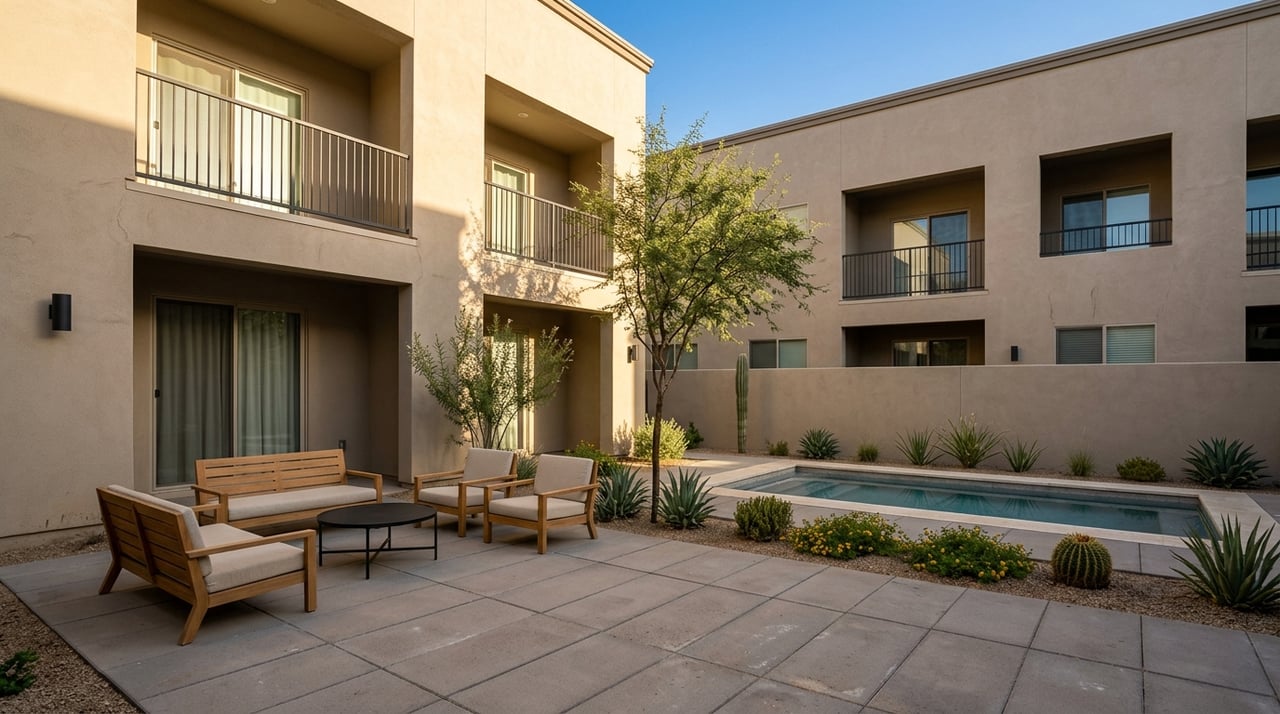
Scottsdale Investment Property Guide for Smart Buyers
June 25, 2026
June 25, 2026
If Scottsdale has been on your radar for a second home or an income property, you are not alone. Many buyers are drawn to the area for its mix of desert scenery, recreation, and housing options, but the numbers and rules can look very different once you move from browsing to buying. This guide will help you compare property types, understand Scottsdale-specific rental rules, and think through the carrying costs that matter before you write an offer. Let’s dive in.
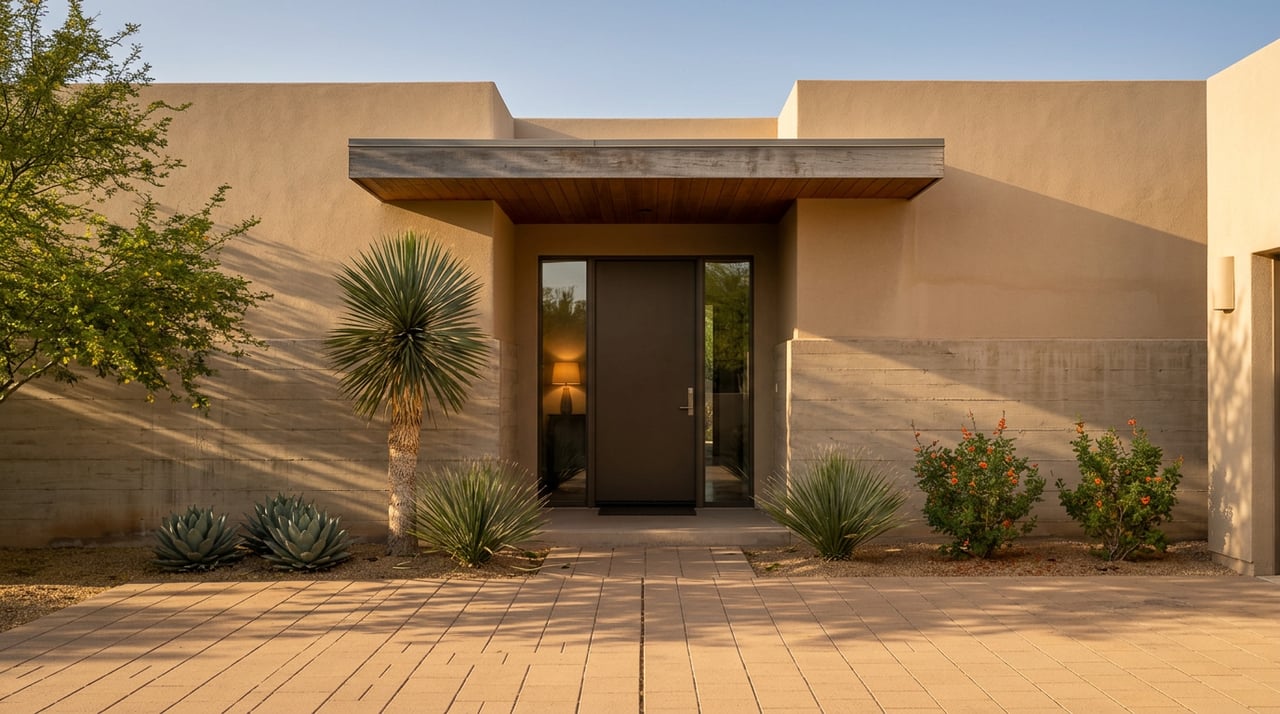
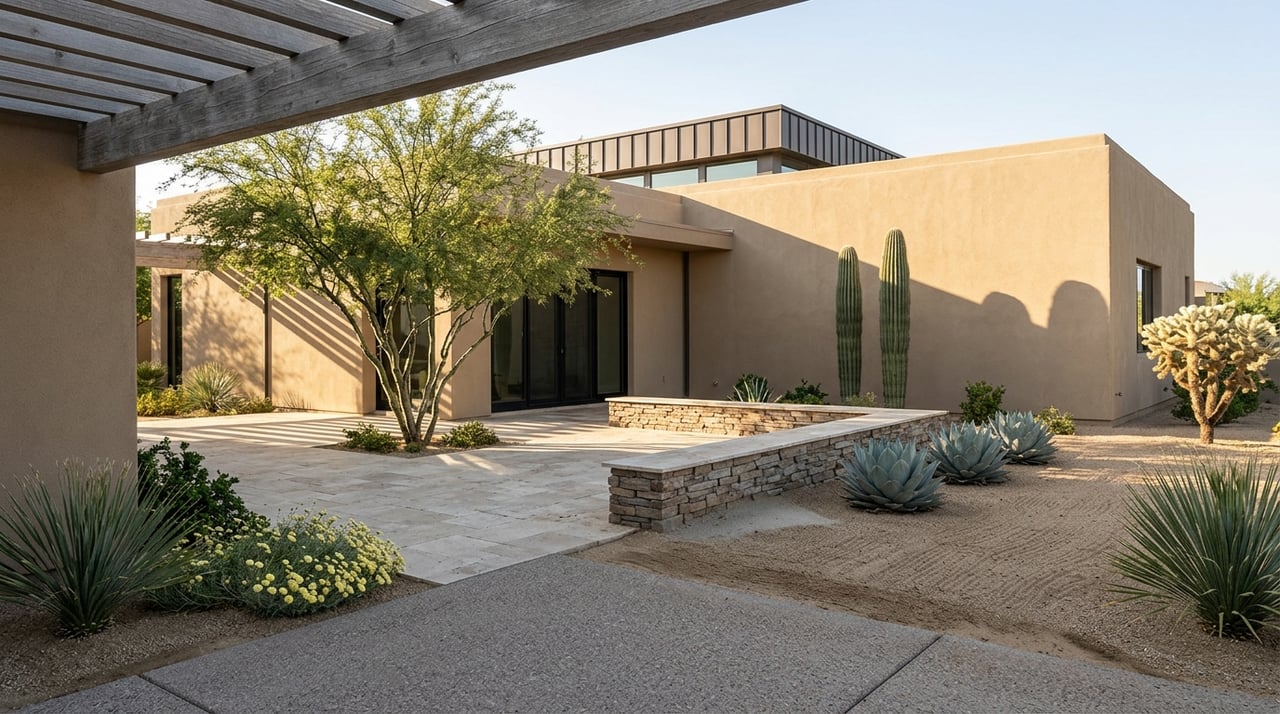
Scottsdale continues to attract buyers who want a property that can serve personal and financial goals at the same time. The city highlights major lifestyle draws such as Old Town, WestWorld, the McDowell Sonoran Preserve, parks, trails, golf, and sports complexes. For many buyers, that makes Scottsdale appealing as both a getaway and a long-term asset.
The price point is important to understand early. Scottsdale’s 2025 Housing Needs Assessment, using 2024 data, reported a median home value of $825,000 for all homes and $617,000 for townhomes. Under the city’s assumptions of 6% interest and 80% loan-to-value, estimated monthly principal and interest came to $3,957 for the median home and $2,959 for the median townhome.
Those figures are a reminder that a second home or investment purchase in Scottsdale often requires a careful plan, not just excitement about the location. The same report estimated that the citywide median home sale price required about $199,500 in annual income to afford, while the median townhome required about $171,000. If you are hoping the property will help carry itself over time, it is smart to stress-test your monthly budget before you shop.
Your first big decision is usually the property itself. In Scottsdale, second-home and investment buyers often compare detached homes, townhomes, and condos, and each option comes with tradeoffs.
Detached homes can appeal to buyers who want more space, more privacy, or a property that feels more like a retreat. They may also work well if you want room for guests, outdoor living, or long stays throughout the year.
That said, more space usually means more maintenance. You may have a larger roof, yard, pool, or exterior to care for, which can affect your monthly carrying costs and how hands-on you need to be if you live out of town.
Townhomes often sit in a middle ground between detached homes and condos. Scottsdale’s housing assessment separately benchmarked townhomes, and their median value came in lower than the citywide all-home figure.
For some buyers, that makes townhomes a useful option if you want Scottsdale ownership with a potentially lower entry point. You still need to look closely at HOA costs, lease restrictions, and the overall condition of the community before making assumptions about affordability.
Condos can be attractive if you want less exterior maintenance responsibility. That can be especially appealing for second-home buyers who do not plan to be in Scottsdale full time.
The catch is financing. Condo purchases can involve more lender review because loan approval may depend not only on the unit, but also on the project itself.
If you are financing a condo or some townhome properties, ask early whether the project fits your loan program. HUD notes that FHA condo financing depends on project-level factors like insurance coverage, owner-occupancy percentage, financial condition, title issues, legal action, and physical condition. Fannie Mae also focuses on project eligibility, occupancy, and the type of loan review required.
In plain terms, a unit can look perfect on paper and still face financing hurdles if the community does not meet lender standards. That is why condo due diligence should start before you get emotionally attached to a specific property.
Before you run numbers, decide exactly how you plan to use the property. In Scottsdale, the rules and costs can shift depending on whether the home is a personal second home, a long-term rental, or a short-term rental.
Maricopa County distinguishes between a primary residence, a non-primary residence such as a vacation home, and a rental property. Arizona also limits you to one primary residence, defined as the home where you live more than seven months of the year.
A second home that is not rented may fall into legal class 4.1, while a property solely rented or intended to be rented is class 4.2. Because changing primary-residence status can affect the State Aid to Education credit, buyers should understand how they intend to use the home before closing.
For residential rentals of 30 days or more, Arizona says residential-rental income is no longer subject to state or county tax from and after December 31, 2024, and cities cannot levy transaction privilege tax on that income. Even so, Maricopa County still requires residential rental registration.
That means long-term rental owners may have fewer tax layers on the rent itself than in the past, but registration obligations still matter. You should build those compliance steps into your purchase plan.
For short-term or vacation rentals of less than 30 days, Scottsdale allows them by right in residential districts, but HOA restrictions still apply. The city also requires all rental units to be registered with Maricopa County, requires a city emergency contact and complaint-response contact, and requires a current vacation rental license.
Scottsdale also sets occupancy rules, including a maximum family size of 6 adults plus related dependent children. If you live out of state, identifying who will handle local response duties should happen early, not after closing.
If you are buying in a planned community, the HOA documents can be just as important as the home itself. Arizona law says an owner may use property as a rental unless the declaration prohibits it, and the owner must follow any rental time-period restrictions in the CC&Rs.
That is why broad assumptions can get buyers into trouble. One community may allow rentals with minimal restrictions, while another may limit lease terms or have rules that conflict with your plan.
Arizona law also limits what an association can request from an owner about a tenant. The association may request only limited tenant information, may charge up to $25 for a new-tenancy disclosure request, and may not require the full lease or rental application as a condition of compliance.
Even with those statewide protections, the recorded community documents still drive the decision. Before you make an offer, confirm whether the CC&Rs allow your intended use and whether there are minimum lease terms or tenant disclosure requirements.
If a property includes a guest house or casita, do not assume it can be rented separately for extra income. Scottsdale says an accessory guest house or casita must be rented together with the main dwelling and may not be rented independently.
That matters for buyers who are comparing larger lots or trying to create more than one revenue stream from the same property. A setup that looks flexible online may be more limited in practice.
A smart Scottsdale purchase analysis goes beyond the mortgage. Your actual monthly cost can be much higher once you add HOA dues, taxes, insurance, maintenance, and vacancy planning.
HOA dues are usually paid directly to the association and are not included in the mortgage payment. According to the CFPB, dues can range from a few hundred dollars per month to more than $1,000.
That range can have a major impact on affordability, especially for condos and townhomes. If you are comparing two similar properties, the lower sales price is not always the better deal once dues are factored in.
Property taxes are another key holding cost. Maricopa County says the Treasurer sends property-tax bills for local jurisdictions, and those bills reflect county, city, school district, special district, and state levies.
If your mortgage does not include escrow, you will need to plan for those larger bills directly. This is especially important for second-home buyers who are already managing housing costs in another location.
Recent market snapshots place Scottsdale rent in the mid-$2,000s. Realtor.com reported a median rent of $2,461 per month in March 2026.
That can be a useful reference point, but it is not a promise of cash flow. Actual performance depends on property type, HOA dues, insurance, taxes, vacancy, maintenance, management, and whether the home is used as a long-term or short-term rental.
A second home or investment purchase usually goes better when you answer a few practical questions before you fall in love with a listing.
These checks help you compare properties with a clear head. They also reduce the chance of buying something that fits your wish list but not your actual plan.
Buying a second home or investment property in Scottsdale can be exciting, but the best decisions are usually the most grounded ones. When you understand how property type, HOA rules, rental regulations, legal classification, and carrying costs all work together, you can buy with more confidence and fewer surprises.
If you want a calm, education-first partner to help you compare options in Scottsdale and across Arizona, connect with I am Home Arizona Group. Their team brings a people-first approach, clear communication, and practical guidance to every step of the process.
Stay up to date on the latest real estate trends.
Partner with a trusted real estate team that blends market knowledge, integrity, and a client-focused mindset—collaborating closely to navigate every stage of the journey with clear communication, careful attention to detail, and a dedication to achieving outstanding results.