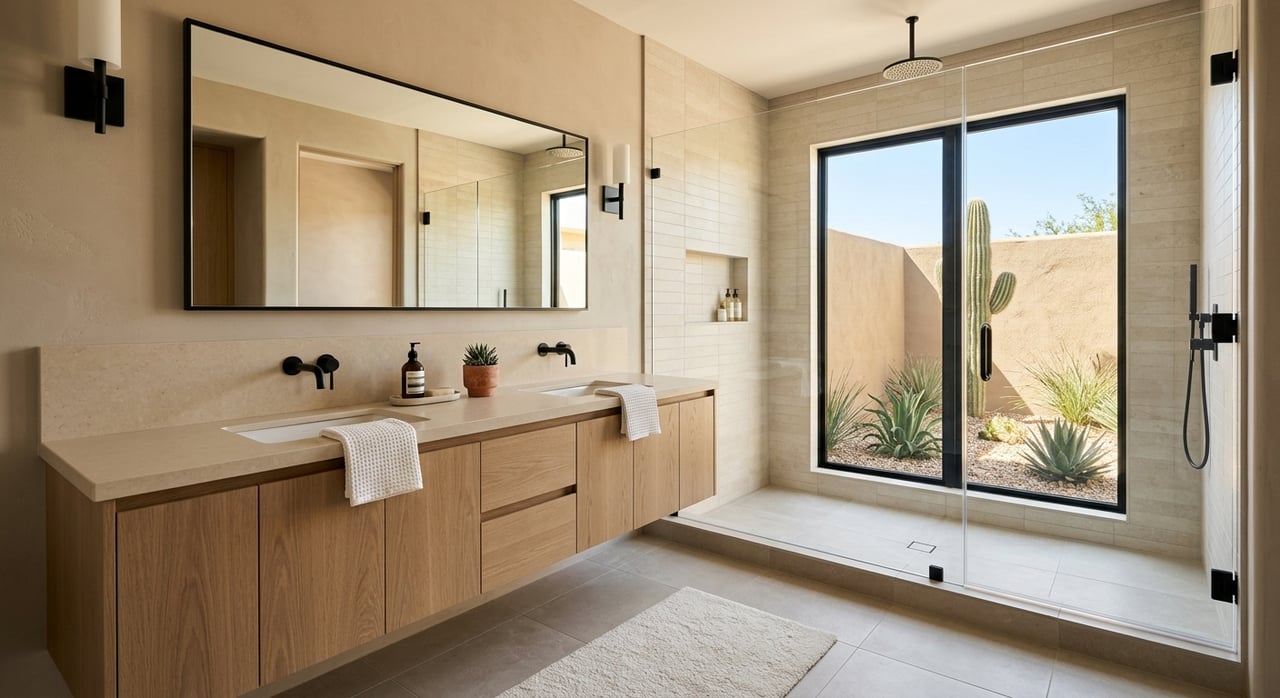
What Tucson Home Sellers Should Know Before Listing
July 16, 2026
July 16, 2026
If you are thinking about selling your Tucson home, the work you do before listing can shape everything that follows. A strong start can help you price more accurately, avoid last-minute surprises, and make your home easier for buyers to picture as their next place. This guide walks you through the key things Tucson sellers should know before going live. Let’s dive in.
One of the biggest mistakes sellers make is relying too much on broad citywide numbers. Tucson market stats can give helpful context, but your list price should come from recent comparable sales near your home and from the price range your home fits into.
According to MLSSAZ statistics highlighted by the Tucson Association of REALTORS®, June 2026 included 1,450 closed sales, a median sales price of $359,440, and 1,828 new listings. Those numbers show market activity, but they do not tell the full story for your street, subdivision, or price tier.
In the April 2026 Southern Arizona Housing Brief, overall months of supply was 3.64. But supply varied a lot by price range, from 3.03 months in the $200,000 to $299,999 range to 8.18 months at $1.4 million and above.
That difference matters because a home in a higher-supply bracket may need even tighter pricing to stay competitive. The same report showed a March 2026 median sale price of $359,000 and median days on market of 36, which reinforces the idea that pricing strategy should match your exact segment of the market.
Before listing, you want to answer a few simple questions:
A thoughtful pricing plan can help you attract serious buyers early, when your listing is freshest.
Disclosures are not something to leave until the last minute. In Arizona, pre-listing is the right time to review what forms may apply to your property and gather the details you will need.
Arizona guidance says every buyer should receive a Seller’s Property Disclosure Statement, or SPDS. The Arizona real estate contract form states that the seller shall deliver the SPDS within five days after contract acceptance, and the Arizona Department of Real Estate explains that the form is intended to help sellers disclose known material latent defects that materially and adversely affect value.
If you wait until your home is under contract, disclosure questions can feel rushed. Reviewing them before listing gives you time to check paperwork, repair records, warranties, utility details, and property history while you are not under the pressure of a contract timeline.
The SPDS asks about a wide range of topics, including HOA matters, water source, septic or other wastewater treatment, solar devices, battery storage, zoning, land division issues, and military-related location items. Getting organized early can make the process smoother for you and clearer for buyers.
Arizona statutes also identify other disclosure areas that may matter depending on the property. These can include hazard-related categories such as flood hazard areas, airports, military facilities, expansive soils, fissures, special assessments, radon, and environmental hazard sites.
For some sellers of five or fewer parcels in an unincorporated area, Arizona law also requires an affidavit of disclosure at least seven days before transfer. If your property has land-related features or sits outside incorporated city limits, this is worth reviewing before your home hits the market.
Arizona law draws a narrow distinction around stigmatized-property disclosures. The law says there is no action for failing to disclose that a property was the site of a natural death, suicide, homicide, or felony crime, or that it is near a person with HIV/AIDS or a sex offender.
That does not change the duty to disclose known material physical defects or other known material facts. In simple terms, physical and property-related issues still matter.
Once pricing and disclosures are underway, the next focus is presentation. The goal is not perfection. The goal is to make your home easier for buyers to understand, appreciate, and move toward.
Buyer hesitation often starts with visual clutter, unfinished repairs, or spaces that feel too personalized. When you remove those distractions, buyers can pay more attention to the home itself.
The 2025 Profile of Home Staging found that sellers’ agents most often recommended:
Those recommendations are practical because they address the first things buyers tend to notice, both online and in person.
The same report found that the rooms most often staged were:
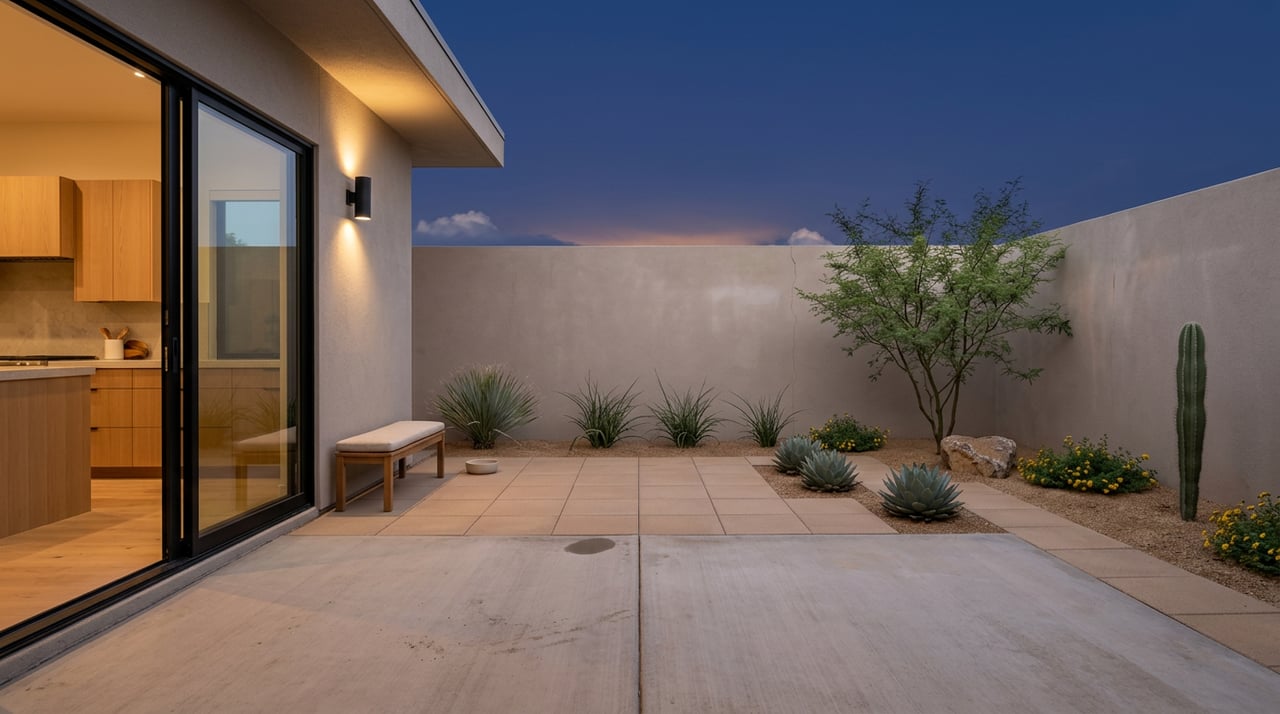
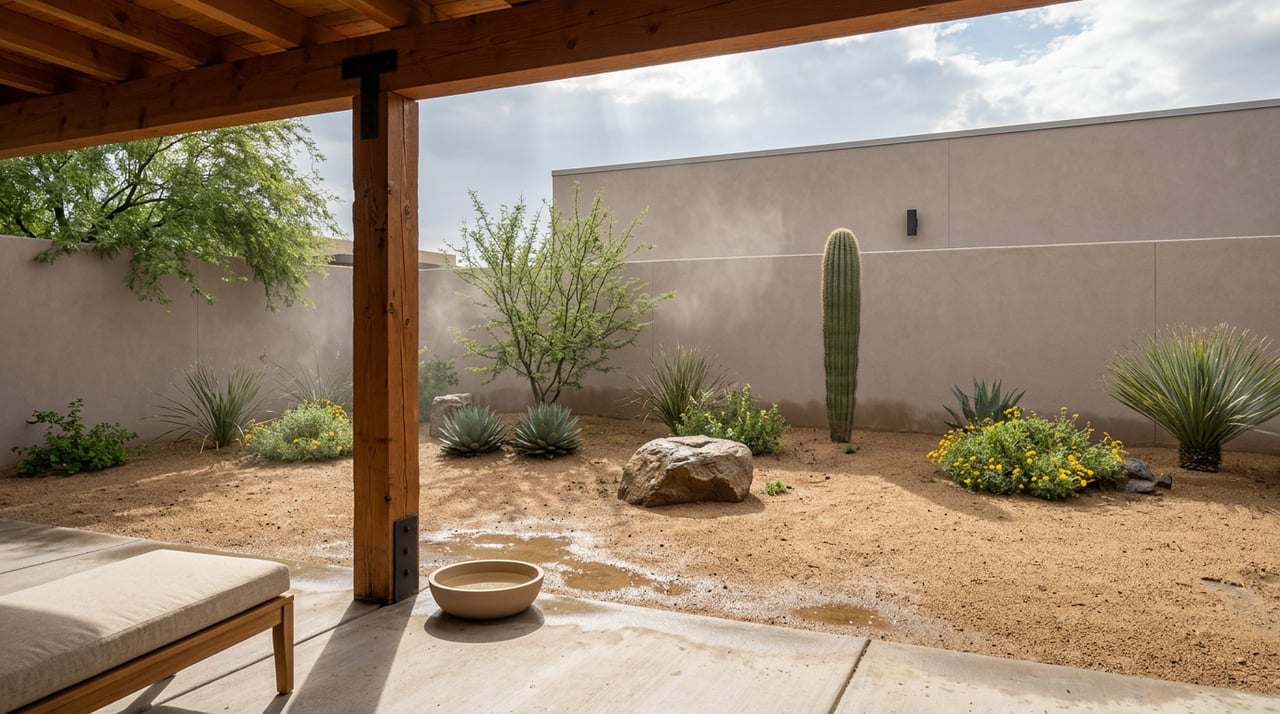
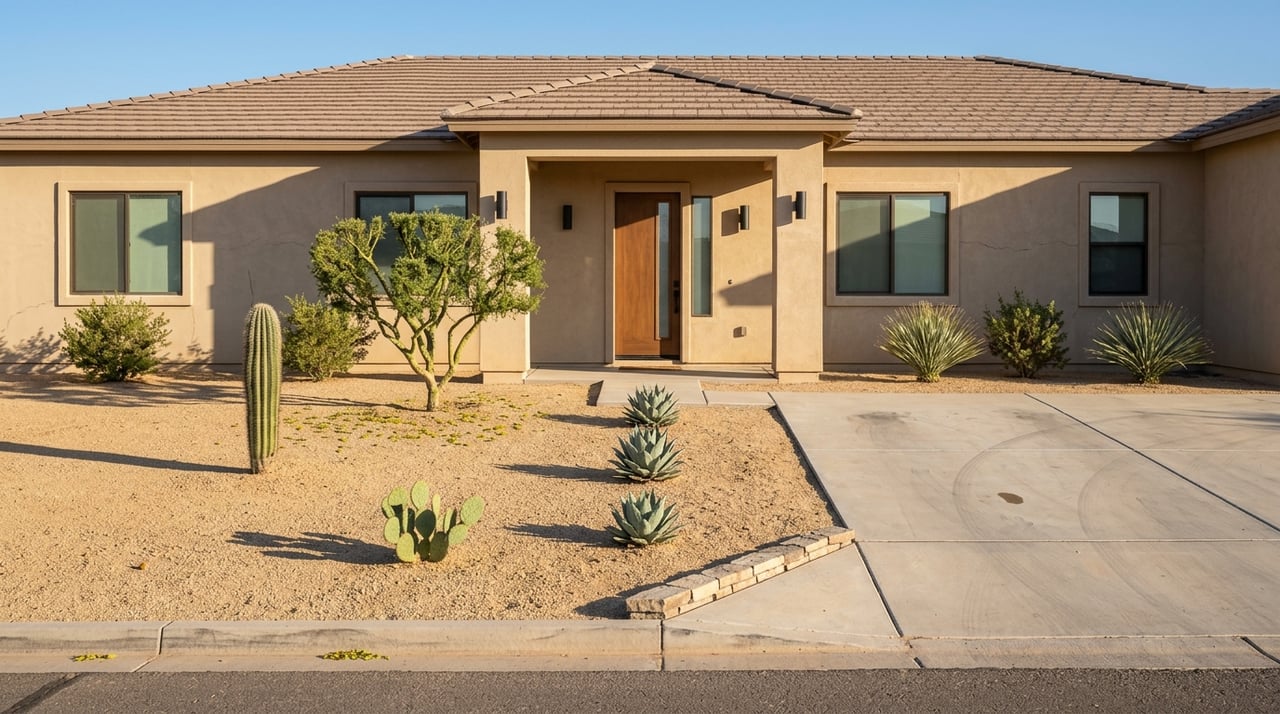
For Tucson sellers, that outdoor piece is especially important. Patios, shaded seating areas, and low-maintenance desert landscaping can help the property feel intentional and cared for.
Staging is often less about decoration and more about helping buyers connect. In the same report, 83% of buyers’ agents said staging made it easier for a buyer to visualize the property as a future home.
Seventeen percent said staging increased the dollar value offered by 1% to 5%. Among sellers’ agents, 30% reported a slight decrease in time on market when the home was staged, and the median spend on a staging service was $1,500.
Your online presentation often shapes whether a buyer schedules a showing. That means your pre-listing checklist should include not just repairs and cleaning, but also a clear media plan.
According to the same staging report, photos were rated much or more important by 88% of sellers’ agents, followed by videos at 47% and traditional physical staging at 43%. In other words, strong listing media is not an extra. It is part of the marketing foundation.
Before photos are scheduled, it helps to complete the items that will show up most clearly in images:
This order matters because professional photography will capture both the strengths and the distractions.
In Tucson, weather is not just background information. It can directly affect your showing experience, your photography timing, and how comfortable buyers feel during a visit.
The National Weather Service shows average highs of 101.2 degrees in June, 100.2 in July, 98.6 in August, and 95.1 in September. Tucson also averages 68 days each year at 100 degrees or hotter, including 19 in July and 15 in August.
If you are listing in warmer months, showing comfort matters. Cooler morning hours can be a better fit for photography, open houses, and private tours.
It also helps if the home feels visibly cool and comfortable when buyers arrive. In a hot-weather market, comfort can influence how long buyers stay and how clearly they take in the property.
The National Weather Service says the North American Monsoon typically arrives in early July over the Southwest and peaks in southeast Arizona from mid July through mid August. It often comes in burst-and-break cycles rather than steady rain.
Late August and September can still bring heavy thunderstorms, flash flooding, hail, and damaging winds. For sellers, that means it is smart to build in a backup plan for outdoor photos, open houses, and same-day showing schedules.
Winter conditions are usually milder for home tours. January’s normal high is 66.5 degrees, and January rainfall averages 0.84 inches.
That does not mean you should wait until winter to sell. It simply means that timing, comfort, and weather planning should be part of your strategy, especially during Tucson’s hottest and stormiest months.
If you want fewer surprises once your home is live, keep the process in order. A clear sequence can help you stay organized and make better decisions at each step.
Here is a practical Tucson pre-listing checklist based on the local market, disclosure guidance, and seller prep research:
This kind of step-by-step approach can make the listing process feel more manageable, especially if you are also buying another home, relocating, or juggling a move on a tight timeline.
The pre-listing phase is where many of the most important seller decisions happen. Pricing affects interest. Disclosures affect confidence. Presentation affects how buyers respond emotionally and practically.
When you slow down and prepare well, you give yourself a better chance at a smoother launch and fewer avoidable issues later. That is especially true in a market like Tucson, where pricing bands, climate, and property-specific disclosures can all shape the outcome.
If you want clear, local guidance before you list, the team at I am Home Arizona Group can help you build a smart plan, prepare your home, and move forward with confidence.
Stay up to date on the latest real estate trends.
Partner with a trusted real estate team that blends market knowledge, integrity, and a client-focused mindset—collaborating closely to navigate every stage of the journey with clear communication, careful attention to detail, and a dedication to achieving outstanding results.